Optimize Efficient Freight Logistics for Success
Efficient freight logistics is the backbone of successful supply chains. It ensures goods move swiftly, safely, and cost-effectively from origin to destination. In the competitive landscape of freight transportation, especially in port and container management, optimizing logistics processes is essential. I will share practical strategies and insights to help businesses streamline their freight operations and achieve consistent success.
Understanding Efficient Freight Logistics
Efficient freight logistics involves coordinating multiple elements to move cargo with minimal delays and costs. It requires precise planning, real-time tracking, and effective communication among all parties involved. The goal is to reduce transit times, avoid bottlenecks, and maximize resource utilization.
Key components include:
Route optimization to select the fastest and most economical paths.
Load consolidation to maximize container or truck capacity.
Inventory management to align shipments with demand.
Compliance with regulations to avoid fines and delays.
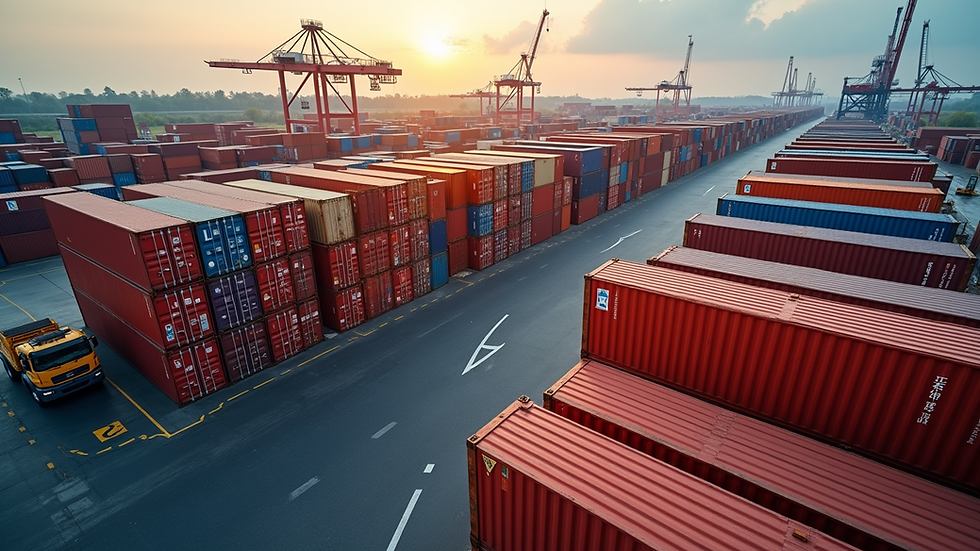
For example, a Texas-based company shipping containers through busy ports must consider port congestion, customs clearance times, and local transportation availability. Efficient freight logistics ensures shipments arrive on schedule, reducing storage fees and improving customer satisfaction.
Strategies to Achieve Efficient Freight Logistics
To optimize freight logistics, I recommend focusing on these actionable strategies:
Leverage Technology
Implement transportation management systems (TMS) and GPS tracking. These tools provide real-time visibility into shipments, enabling quick adjustments to routes or schedules. Automation reduces human error and speeds up documentation processes.
Partner with Reliable Carriers
Choose carriers with proven track records for punctuality and cargo safety. Establish clear service level agreements (SLAs) to set expectations and accountability.
Optimize Load Planning
Use software to plan loads that maximize space utilization. Proper load planning reduces the number of trips and lowers fuel consumption.
Enhance Communication
Maintain constant communication with suppliers, carriers, and customers. Transparent updates prevent surprises and allow proactive problem-solving.
Monitor Performance Metrics
Track key performance indicators (KPIs) such as on-time delivery rate, transit time, and freight cost per unit. Use data to identify inefficiencies and implement continuous improvements.
By applying these strategies, businesses can reduce freight costs and improve delivery reliability, which is critical in competitive markets.
The Role of Freight Logistics Management
Effective freight logistics management integrates all aspects of freight movement into a cohesive system. It involves planning, execution, and monitoring to ensure shipments meet quality and timing standards.
For instance, managing container logistics at ports requires coordination between shipping lines, customs officials, and trucking companies. A centralized freight logistics management approach minimizes delays caused by paperwork, inspections, or equipment shortages.
Investing in skilled logistics managers and advanced software solutions can transform fragmented processes into streamlined operations. This leads to faster turnaround times and better resource allocation.

Overcoming Common Freight Logistics Challenges
Freight logistics faces several challenges that can disrupt operations. Identifying and addressing these issues is vital for maintaining efficiency.
Port Congestion
Congested ports cause delays in loading and unloading. To mitigate this, schedule shipments during off-peak hours and maintain flexible delivery windows.
Regulatory Compliance
Freight shipments must comply with customs and safety regulations. Staying updated on changing laws and preparing accurate documentation prevents costly hold-ups.
Weather Disruptions
Severe weather can halt transportation. Develop contingency plans and maintain communication channels to reroute shipments if necessary.
Equipment Shortages
Lack of containers or trucks can delay shipments. Build strong relationships with equipment providers and consider leasing options during peak seasons.
Addressing these challenges proactively ensures smoother freight flows and reduces unexpected costs.
Enhancing Port and Container Logistics in Texas
Texas is a critical hub for freight transportation, with major ports like Houston and Galveston handling vast container volumes. Optimizing logistics in this region requires understanding local infrastructure and market dynamics.
Utilize Intermodal Transport
Combining rail, truck, and ship transport can reduce costs and transit times. Texas has extensive rail networks that complement port operations.
Invest in Local Warehousing
Strategically located warehouses near ports enable faster distribution and inventory management.
Adopt Sustainable Practices
Implementing eco-friendly logistics reduces environmental impact and can improve regulatory compliance.
Engage with Local Authorities
Collaborate with port authorities and transportation agencies to stay informed about infrastructure projects and policy changes.
By focusing on these areas, businesses can gain a competitive edge in Texas freight logistics.
Sustaining Long-Term Freight Logistics Success
Sustaining success in freight logistics requires continuous evaluation and adaptation. I recommend:
Regular Training
Keep staff updated on best practices and new technologies.
Investing in Innovation
Explore emerging solutions like AI-driven route planning and blockchain for secure documentation.
Building Strong Partnerships
Foster trust and collaboration with carriers, suppliers, and customers.
Measuring and Reporting
Use data analytics to monitor performance and identify improvement opportunities.
These efforts create a resilient logistics network capable of meeting evolving business demands.
Optimizing freight logistics is a complex but achievable goal. By applying focused strategies, leveraging technology, and addressing regional specifics, businesses can ensure fast, reliable, and cost-effective freight transportation. This approach not only improves operational efficiency but also strengthens market position in competitive environments.


Comments