Transforming Your Supply Chain with Freight Logistics for Supply Chain Optimization
In today’s competitive market, efficient supply chain optimization is essential for businesses handling freight, port, and container logistics. Streamlining these operations reduces costs, improves delivery times, and enhances customer satisfaction. I will share practical insights on how freight logistics can transform your supply chain, focusing on actionable strategies that deliver measurable results.
Understanding Supply Chain Optimization in Freight Logistics
Supply chain optimization involves refining every step of the supply chain to maximize efficiency and minimize waste. For businesses relying on freight logistics, this means coordinating transportation, warehousing, and inventory management seamlessly.
Key elements include:
Route optimization to reduce transit times and fuel costs.
Inventory visibility to prevent stockouts and overstocking.
Real-time tracking for proactive issue resolution.
Collaboration with reliable partners to ensure smooth port and container handling.
For example, a Texas-based company shipping containers through major ports can benefit from integrated scheduling systems that align vessel arrivals with warehouse availability. This reduces wait times and demurrage fees.

Leveraging Technology for Supply Chain Optimization
Technology plays a pivotal role in transforming freight logistics. Implementing advanced software solutions enables better decision-making and operational control.
Consider these technologies:
Transportation Management Systems (TMS) - Automate route planning and carrier selection.
Warehouse Management Systems (WMS) - Optimize storage and picking processes.
Internet of Things (IoT) - Provide real-time data on shipment conditions.
Artificial Intelligence (AI) - Predict demand and optimize inventory levels.
For instance, using AI-driven analytics, a logistics manager can forecast peak shipping periods and adjust container allocations accordingly. This proactive approach prevents bottlenecks and improves turnaround times.
Integrating these technologies with freight logistics management solutions ensures end-to-end visibility and control, critical for maintaining a competitive edge.
Streamlining Port and Container Operations
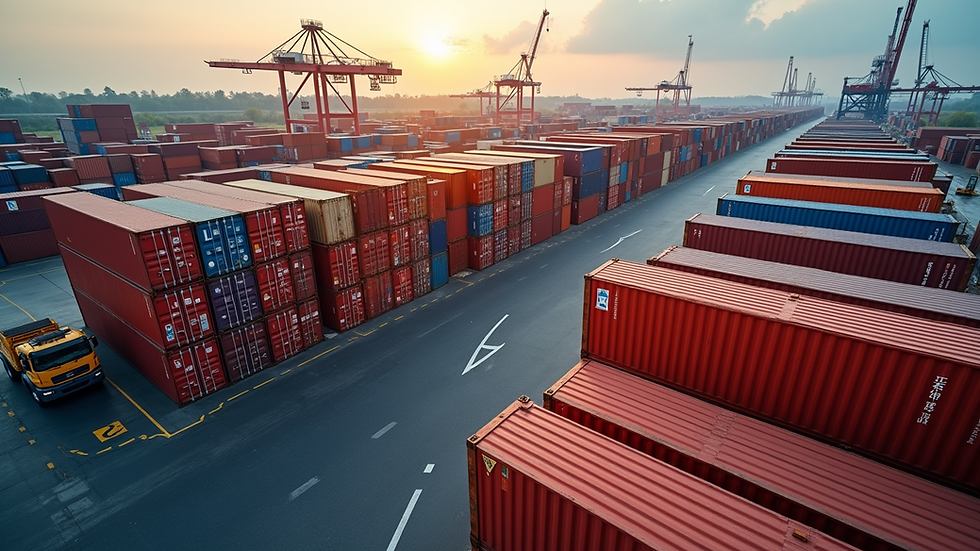
Ports and container handling are often the most complex parts of the supply chain. Delays here can ripple through the entire logistics network. To transform these operations, focus on:
Efficient scheduling of container pickups and drop-offs.
Automated documentation to speed customs clearance.
Optimized yard management to reduce container dwell time.
Collaboration with port authorities for real-time updates.
A practical example is implementing a digital platform that allows truckers to book time slots for container pickup. This reduces congestion and idle time at the port, improving overall throughput.

Best Practices for Cost-Effective Freight Logistics
Cost control is a primary goal in supply chain optimization. Here are proven strategies to reduce expenses without sacrificing service quality:
Consolidate shipments to maximize container space.
Negotiate contracts with carriers based on volume and reliability.
Use multimodal transport to balance speed and cost.
Monitor fuel consumption and implement eco-friendly practices.
For example, combining rail and truck transport can lower costs for inland deliveries while maintaining delivery schedules. Regularly reviewing carrier performance also helps identify opportunities for savings.
Building a Resilient and Scalable Supply Chain
Supply chains must adapt to changing market conditions and growth demands. Building resilience involves:
Diversifying suppliers and carriers to avoid single points of failure.
Implementing flexible contracts that allow capacity adjustments.
Investing in staff training to handle new technologies and processes.
Establishing contingency plans for disruptions.
Scalability means your supply chain can grow with your business. For instance, a logistics provider in Texas can expand container handling capacity by partnering with additional ports or investing in automated equipment.
Driving Continuous Improvement in Freight Logistics
Transformation is an ongoing process. Regularly assess your supply chain performance using key metrics such as:
On-time delivery rate
Inventory turnover
Freight cost per unit
Container dwell time
Use this data to identify bottlenecks and implement corrective actions. Encourage feedback from all stakeholders, including carriers, warehouse staff, and customers.
By fostering a culture of continuous improvement, your supply chain will remain agile and competitive.
Transforming your supply chain through strategic freight logistics management is not just about technology or processes. It requires a comprehensive approach that integrates planning, execution, and continuous evaluation. By focusing on supply chain optimization, you can achieve faster, more reliable, and cost-effective freight transportation, especially in complex port and container environments. This approach positions your business for sustained success in a demanding market.


Comments